Supporting the person behind the diagnosis
At EmpowerAbility, we believe understanding dementia begins with remembering something fundamental:
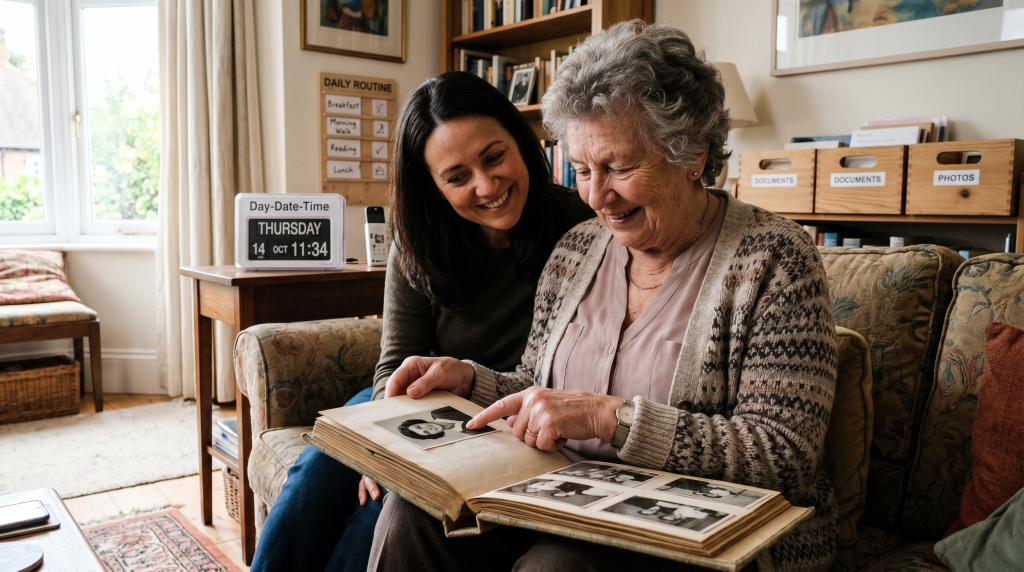
A person living with dementia is still the same person.
Their memories, communication, abilities, and needs may change over time, but their dignity, identity, emotions, and humanity remain.
Dementia affects how the brain functions, but it does not remove a person’s value, rights, or need for meaningful connection.
Good support begins with understanding both the condition and the individual.
What Is Dementia?
Dementia is an umbrella term describing a group of symptoms caused by diseases affecting the brain.
It is not a single disease.
Dementia can affect:
- memory
- thinking
- reasoning
- language
- judgement
- perception
- behaviour
- daily functioning
These changes are usually progressive, meaning symptoms tend to worsen over time, although progression varies significantly from person to person.
Types of Dementia
There are several types of dementia, each affecting people differently.
Common types include:
Alzheimer’s Disease
The most common form of dementia.
Often affects:
- memory
- orientation
- language
- thinking
Vascular Dementia
Caused by reduced blood flow to the brain.
May affect:
- planning
- decision-making
- processing speed
- concentration
Lewy Body Dementia
May involve:
- visual hallucinations
- fluctuating cognition
- movement difficulties
- sleep disturbance
Frontotemporal Dementia
Often affects:
- personality
- behaviour
- language
- impulse control
Understanding dementia type can help tailor support.
Dementia Is Highly Individual
No two people experience dementia in exactly the same way.
Some people remain highly independent for many years.
Others may experience faster progression and require more intensive support.
A person’s experience is shaped by many factors, including:
- type of dementia
- stage of progression
- physical health
- emotional wellbeing
- environment
- support network
- previous personality and coping style
Support must always remain person-centred.
Common Experiences
Dementia affects people differently, but certain challenges are common.
Memory Difficulties
Memory changes are often the most recognised symptom.
This may include difficulty remembering:
- recent conversations
- appointments
- names
- locations of items
- daily tasks
Long-term memories may remain stronger than recent memories, especially in earlier stages.
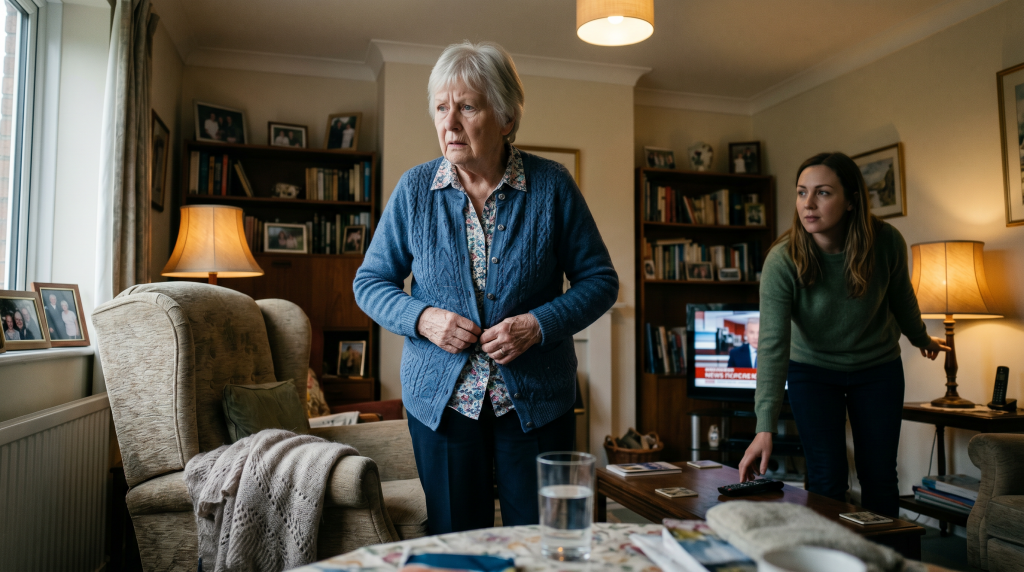
Confusion and Disorientation
A person may become confused about:
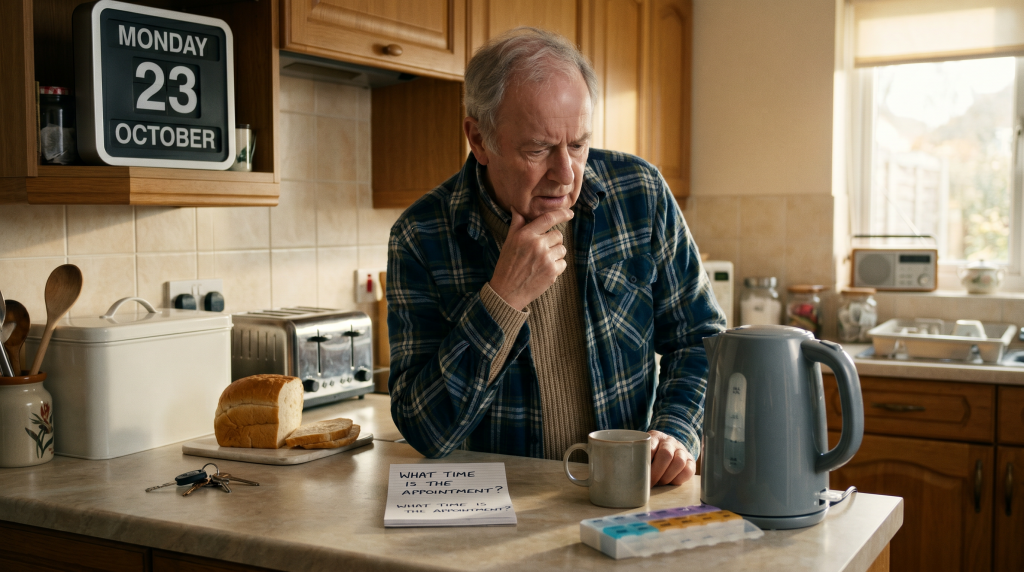
- time
- date
- location
- routines
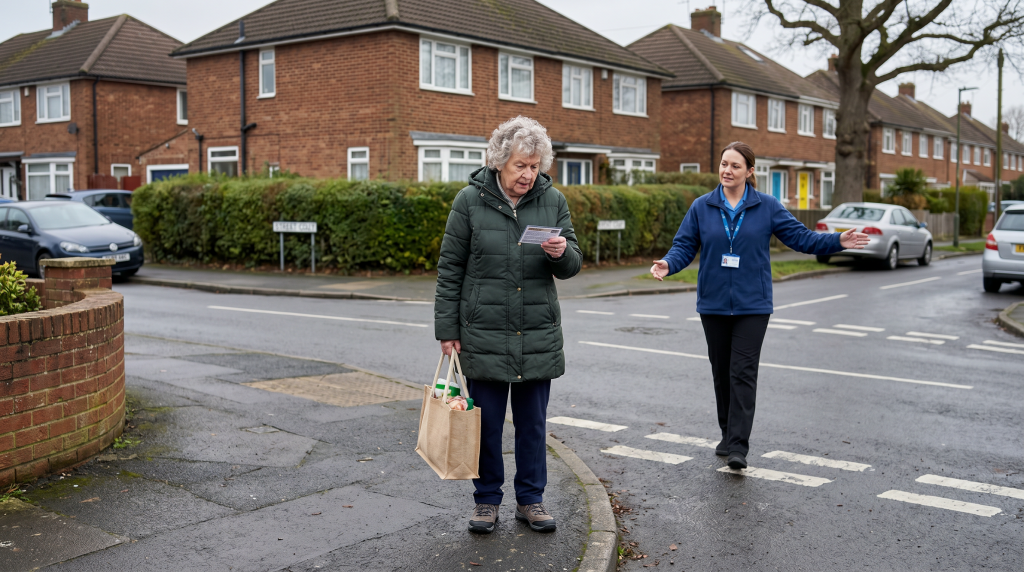
- familiar places
This can create distress and anxiety.
Disorientation increases risk of wandering or getting lost.
Communication Changes
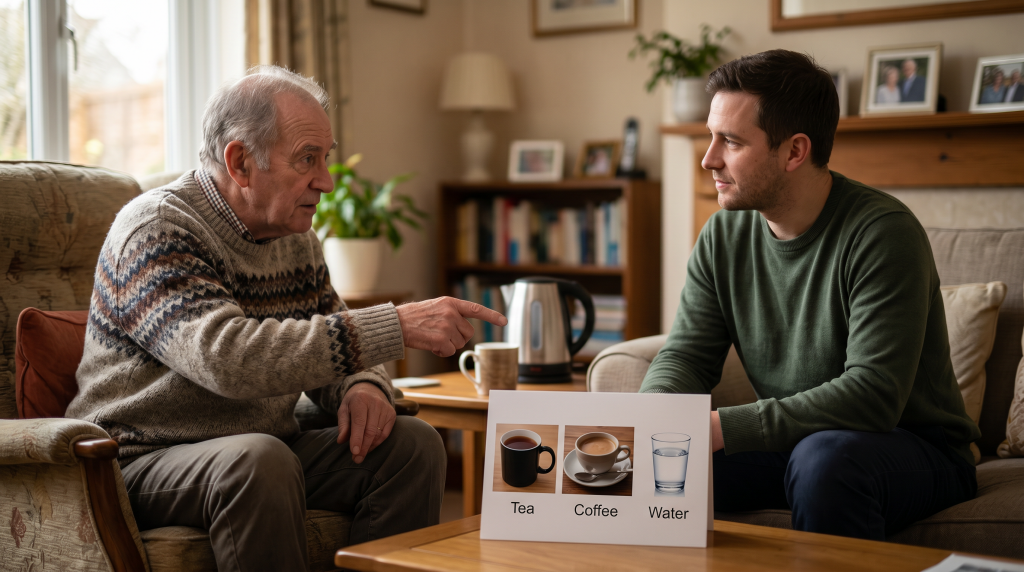
Dementia may affect communication in different ways.
A person may:
- struggle to find words
- repeat questions
- lose track of conversations
- misunderstand complex language
This can cause frustration.
Good communication becomes increasingly important.
Changes in Judgement
Some people may have difficulty with:
- managing money
- assessing risk
- making complex decisions
- recognising scams or exploitation
This can increase vulnerability.
Emotional and Behavioural Changes
Dementia can affect emotional regulation and behaviour.
A person may experience:
- anxiety
- agitation
- fear
- frustration
- suspicion
- withdrawal
- distress
Behaviour often communicates unmet need.
It should not automatically be viewed as “challenging behaviour.”
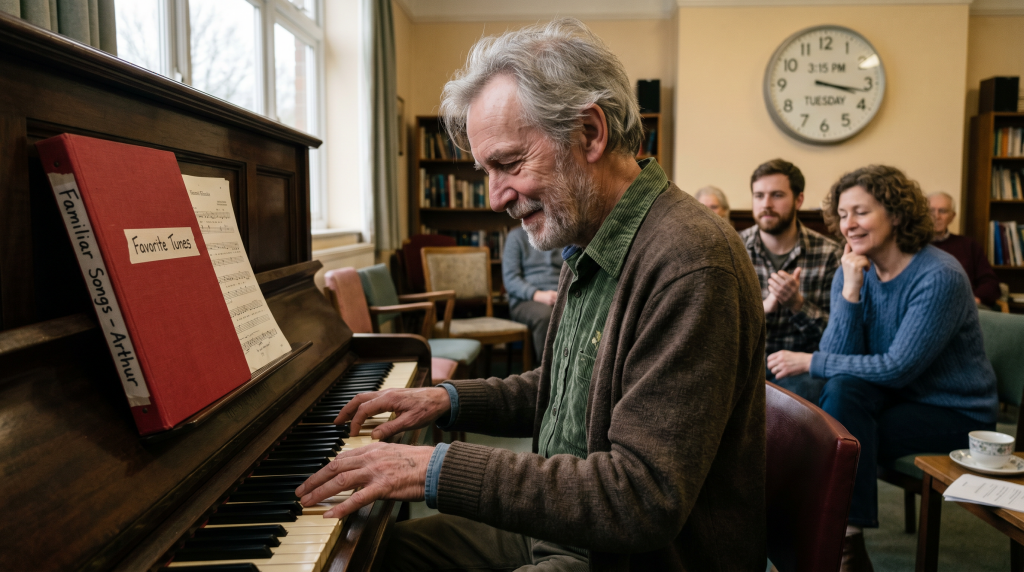
Strengths and Preserved Abilities
Dementia does not affect every ability equally.
Many people retain strengths for a long time.
These may include:
- emotional connection
- music appreciation
- humour
- creativity
- familiar routines
- procedural memory
- long-term memories
Even when language declines, emotional understanding often remains strong.
A person may forget words but still recognise kindness, warmth, tone, and respect.
This matters enormously.
Housing Implications
The physical environment plays a major role in dementia support.
Poor environments increase confusion and distress.
Thoughtful environments can improve safety, orientation, and wellbeing.
Important considerations include:
- Familiarity
- Clear layout
- Good lighting
- Visual contrast
- Safe walking space
- Reduced hazards
Familiarity
Familiar environments reduce confusion.
Sudden changes to surroundings can increase distress.
Where possible, maintain consistency.
Familiar objects can be grounding.
Clear Layout
Simple layouts improve orientation.
People benefit from homes where:
- rooms are easy to identify
- routes are intuitive
- clutter is minimised
Complex layouts increase confusion.
Good Lighting
Poor lighting can worsen:
- confusion
- falls risk
- visual misinterpretation
- agitation
Good natural light helps orientation and mood.
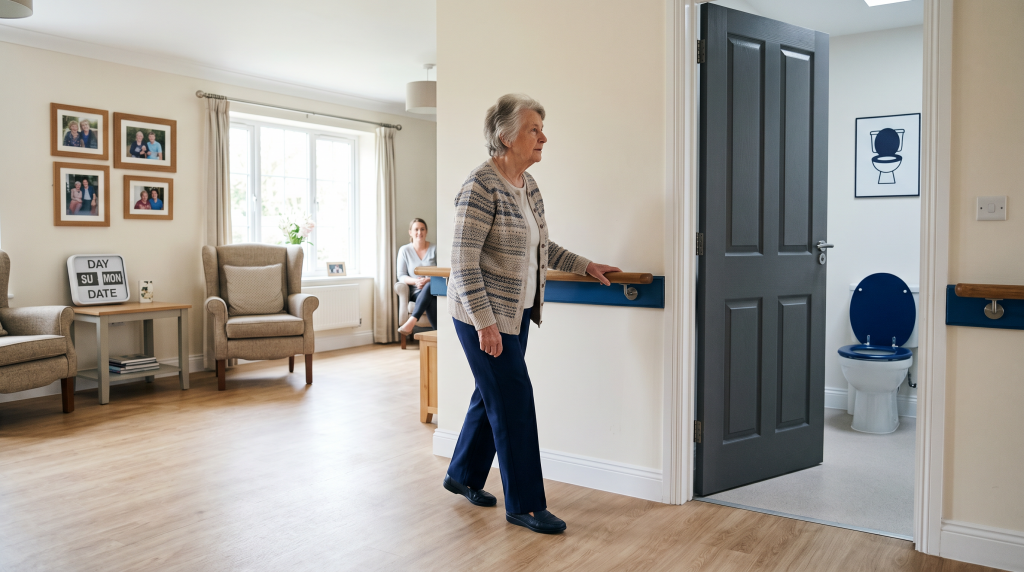
Visual Contrast
Clear colour contrast can improve navigation.
Examples:
- contrasting toilet seats
- visible handrails
- distinct door frames
- clearly identifiable furniture
Good contrast improves independence.
Safe Walking Space
Many people benefit from the ability to walk safely.
Safe circulation space reduces distress and restlessness.
Movement can be calming.
Reduced Hazards
Important safety considerations may include:
- trip prevention
- safe kitchen design
- secure exits where appropriate
- fall prevention
- accessible bathrooms
Safety should support dignity rather than feel institutional.
Support Considerations
Good dementia support is not about correcting every mistake.
It is about preserving wellbeing, reducing distress, and maintaining dignity.
At EmpowerAbility, we ask:
What is this person experiencing right now?
That question often leads to more compassionate responses.
Use Calm Communication
Communication should be:
- slow
- clear
- reassuring
- respectful
Use short sentences and gentle tone.
Avoid overwhelming information.
Do Not Rush
Processing speed may slow.
Allow time.
Rushing often increases distress.
Reduce Unnecessary Correction
This is extremely important.
Repeatedly correcting memory errors may increase frustration or shame.
Ask:
Is correction necessary, or is reassurance more helpful?
Often emotional reassurance matters more than factual accuracy.
Support Orientation Gently
Helpful tools may include:
- clocks
- calendars
- routine boards
- visual prompts
- labelled rooms
Gentle orientation can reduce confusion.
Understand Behaviour as Communication
Distress-related behaviour often reflects unmet need.
Possible causes may include:
- pain
- fear
- hunger
- boredom
- loneliness
- sensory overload
- confusion
Behaviour usually has meaning.
Risks and Vulnerabilities
Dementia may increase vulnerability to:
- falls
- wandering
- exploitation
- neglect
- medication errors
- dehydration
- malnutrition
- social isolation
Risk management must remain balanced.
Protection should not unnecessarily remove autonomy or dignity.
The goal is safe empowerment.
Best Practice
Excellent dementia support is:
- person-centred
- calm
- patient
- reassuring
- respectful
- strengths-based
- environment-aware
The best support protects identity, not just physical safety.
Key Question
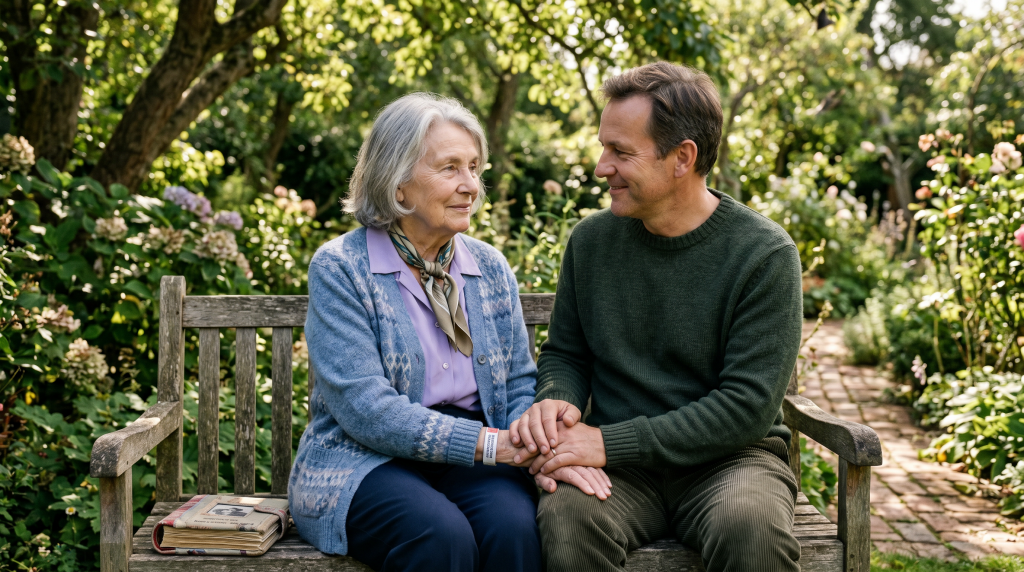
At EmpowerAbility, one question helps guide dementia support:
Are we responding to the diagnosis, or to the person?
The person must always come first.
This is one of the most important principles in dementia care.
Related Standards
This topic connects strongly with:
- Standard 1 — Rights, Dignity & Respect
- Standard 4 — Safe, Healthy & Secure Living
- Standard 5 — Housing Quality, Design & Accessibility
- Standard 6 — Person-Centred Support & Outcomes
- Standard 7 — Communication & Relationships
- Standard 10 — Community, Belonging & Meaningful Life
Video Learning
This page will eventually include short EmpowerAbility videos covering:
- What is dementia?
- Dementia-friendly communication
- Designing dementia-friendly homes
- Understanding distress behaviours
- Supporting dignity and identity
EmpowerAbility
Empowering lives. Enabling potential.